



Brazilian cinema: “Buddies and the heir” premieres internationally at Russian film festival
29 de June de 2025
The role of BNDES in Brazil’s development: financing, innovation, and sustainability
30 de June de 202510 truths about the BRICS that will change how you see the future

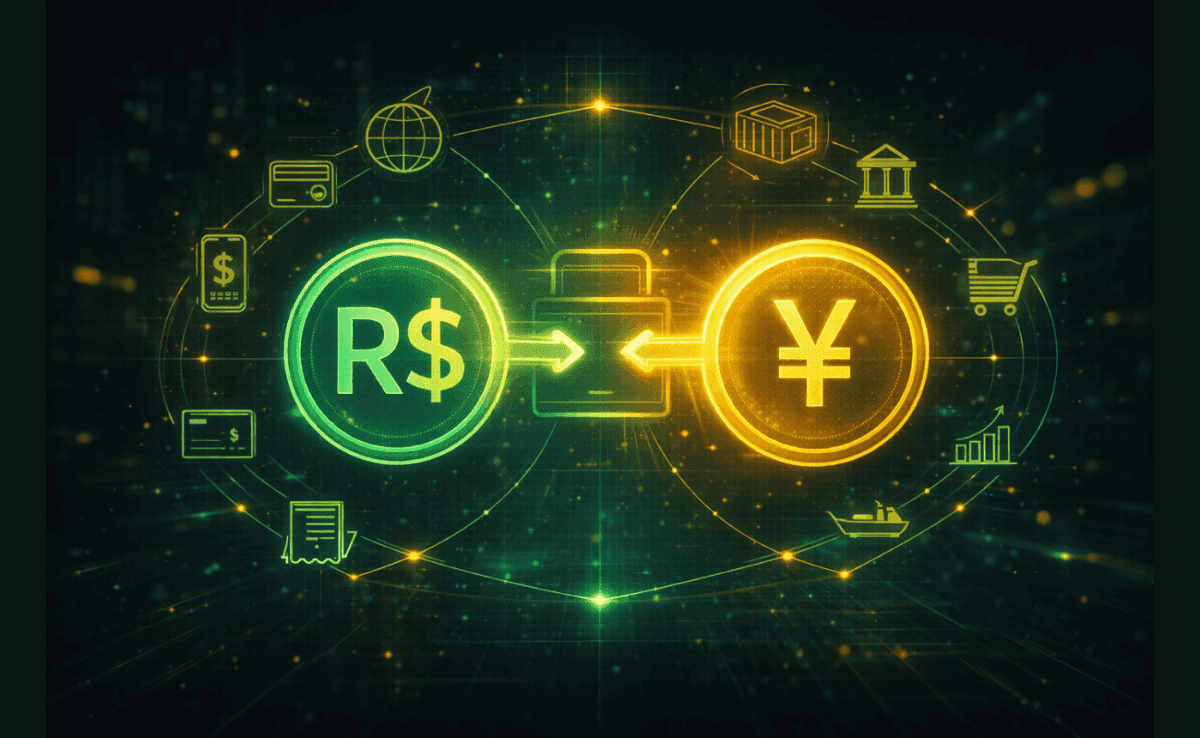
(Imagem gerada por IA com ChatGPT)
Why understanding the BRICS+ today is key to positioning yourself in tomorrow’s world.
In recent years, the world has undergone deep and disruptive shifts in the geopolitical landscape. New times demand adaptability—and the ability to read history through the lens of evolving nations. In this context, the BRICS+ have gained global relevance, launching initiatives in areas such as infrastructure, trade, technology and energy.
The bloc advocates for a model of cooperation rooted in multipolarity, shared growth and economic sovereignty. The following truths reveal how this emerging global dynamic is not only reshaping the global economy—but may also impact your life directly.
1. The BRICS+ have already overtaken the G7 in economic size
According to recent data from the IMF, the combined GDP of the BRICS+, measured by purchasing power parity (PPP), reached around $56.6 trillion in 2024—surpassing the G7’s $52.4 trillion. The bloc also accounts for nearly 45% of the global population. This shift reflects a redistribution of economic momentum, with developing nations stepping into more prominent roles. It’s not about confrontation—but rather expanding the number of influential voices on the global stage.
2. Trade in local currencies is on the rise
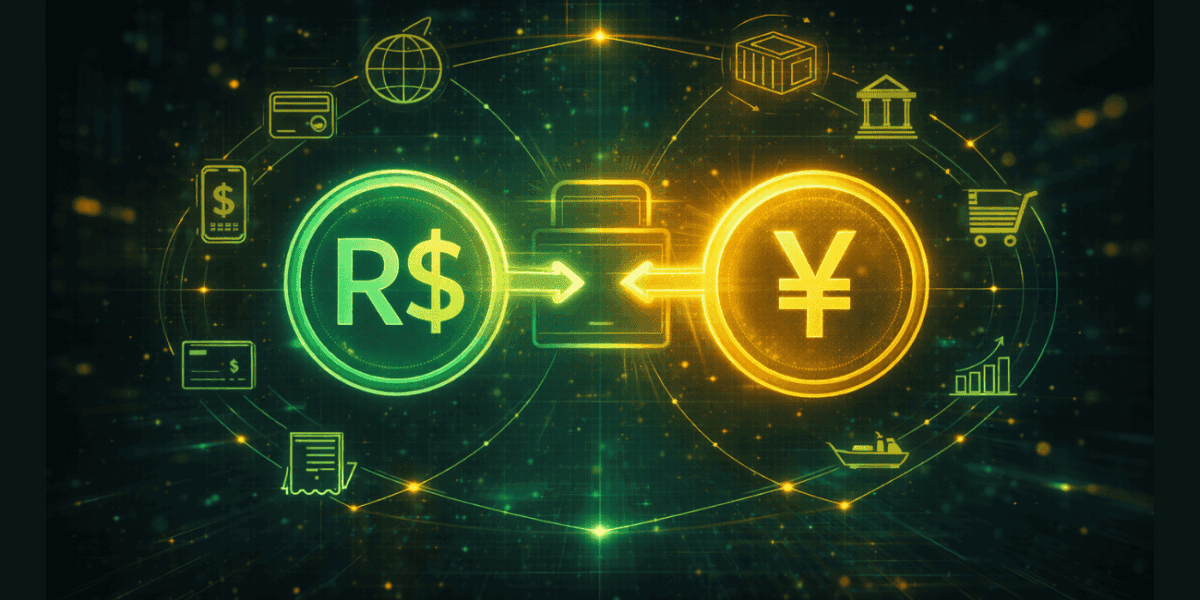
One of the most notable trends among the BRICS+ is the push to settle international trade in local currencies. Today, around 27% of intra-BRICS trade is conducted without using the dollar, especially in strategic sectors like energy and infrastructure. This strengthens the economic autonomy of member nations, reduces currency conversion costs, and provides greater stability in the face of foreign exchange fluctuations. It’s a strategy to diversify and boost the bloc’s financial resilience.
3. BRICS Bank – NDB – is a sustainable development alternative
The New Development Bank (NDB), also known as the BRICS Bank, has approved over $32 billion in projects since its founding. Unlike traditional financing models, the NDB focuses on green infrastructure, social inclusion and technological innovation. This constructive approach empowers developing countries to pursue growth that’s both socially just and environmentally sustainable.
4. The global financial system is gaining new alternatives
With the rollout of BRICS Pay—a payment system independent of SWIFT—the bloc is creating financial alternatives that promote sovereignty and inclusion. The platform has already been tested between China, Russia and India, with the potential to expand access for small exporters, startups and emerging markets. Rather than replacing the existing system, it offers a more accessible, tech-driven complement to it.
5. Each BRICS member holds a strategic advantage
One of the bloc’s greatest strengths is its diversity. Brazil, for instance, holds 98% of the world’s known niobium reserves—critical to the aerospace and high-tech industries. India leads in IT services, with one of the world’s largest digital workforces. China invests heavily in advanced manufacturing and clean energy. This complementarity allows the bloc to operate as a collaborative network, with each country contributing its unique assets to shared growth.
6. The BRICS+ are a global agricultural powerhouse
With vast agricultural, climatic and technological resources, the BRICS+ play a central role in global food security. Brazil, Russia and South Africa are key exporters of grains, proteins and agricultural commodities. Meanwhile, China’s vertical farms and India’s smart irrigation systems are driving productivity even in challenging environments. The result is not only a reliable food supply, but also sustainable solutions to feed a growing global population.
7. The energy transition is gaining momentum in the Global South
While many nations are still debating the feasibility of an energy transition, the BRICS+ are already implementing real clean energy projects. One example is the joint $10 billion fund for sustainable development, which is financing green hydrogen in northeastern Brazil and solar parks in Africa. These investments expand access to renewable energy, create green jobs, and reduce reliance on polluting sources—showing that the environmental revolution is also coming from the South.
8. The internet of the future is being built on new foundations
The development of autonomous data networks and 6G research in countries like China and India suggests that the next generation of the internet could be faster, more secure and more decentralized. These efforts aim not just at tech innovation, but also digital sovereignty—creating opportunities for greater privacy, regional autonomy, and inclusion of historically disconnected communities.
9. A new global middle class emerges
Economic growth and digitalization are fueling the rise of a new middle class across the BRICS+, particularly in India, China and Brazil. By 2030, over 2 billion people are expected to fall within this income bracket. This shift is transforming consumption patterns, strengthening domestic markets, and unlocking new opportunities for education, entrepreneurship and social mobility — a promising scenario for inclusive human development.
10. BRICS+ strengthen diplomatic leadership amid global conflicts
As global tensions and geopolitical polarization deepen, members of BRICS+ have consolidated their role as key mediators and facilitators of international dialogue. Far from being passive observers, nations like China, Brazil, South Africa, and India have consistently advanced diplomatic efforts aimed at peaceful resolution, multipolar cooperation and adherence to international law — positioning themselves as credible voices in the search for balanced and lasting solutions to some of the world’s most complex conflicts.