




Egyptian writer wins BRICS literature prize
1 de February de 2026
Chinese New Year is theme of new series by Instituto CPFL
14 de February de 2026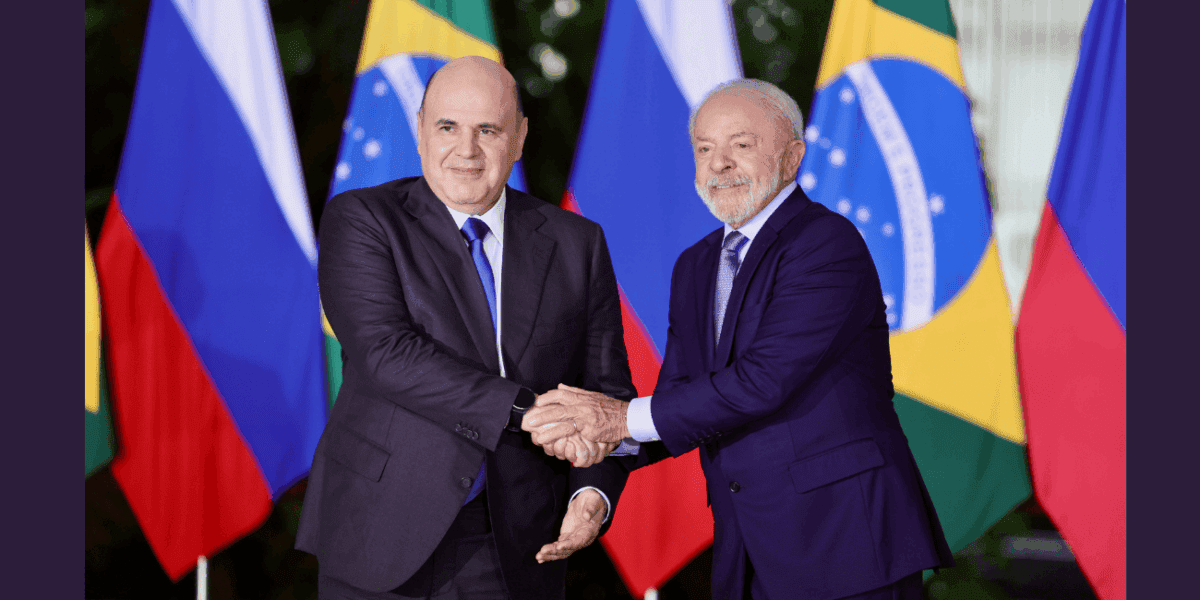
Brazil and Russia set new cooperation goals in trade, technology, energy, defense and culture ahead of the 200th anniversary of diplomatic relations in 2028.
On February 5, 2026, President Luiz Inácio Lula da Silva welcomed Russian Prime Minister Mikhail Mishustin to Brasília amid a series of bilateral events that reinforced the partnership within BRICS.
The meeting between the leaders was part of the agenda of the 8th Meeting of the Brazil-Russia High-Level Commission on Cooperation, which also featured the Brazil-Russia Business Forum organized by ApexBrasil (Brazilian Trade and Investment Promotion Agency) — events attended by the Russian prime minister and Vice President Geraldo Alckmin.
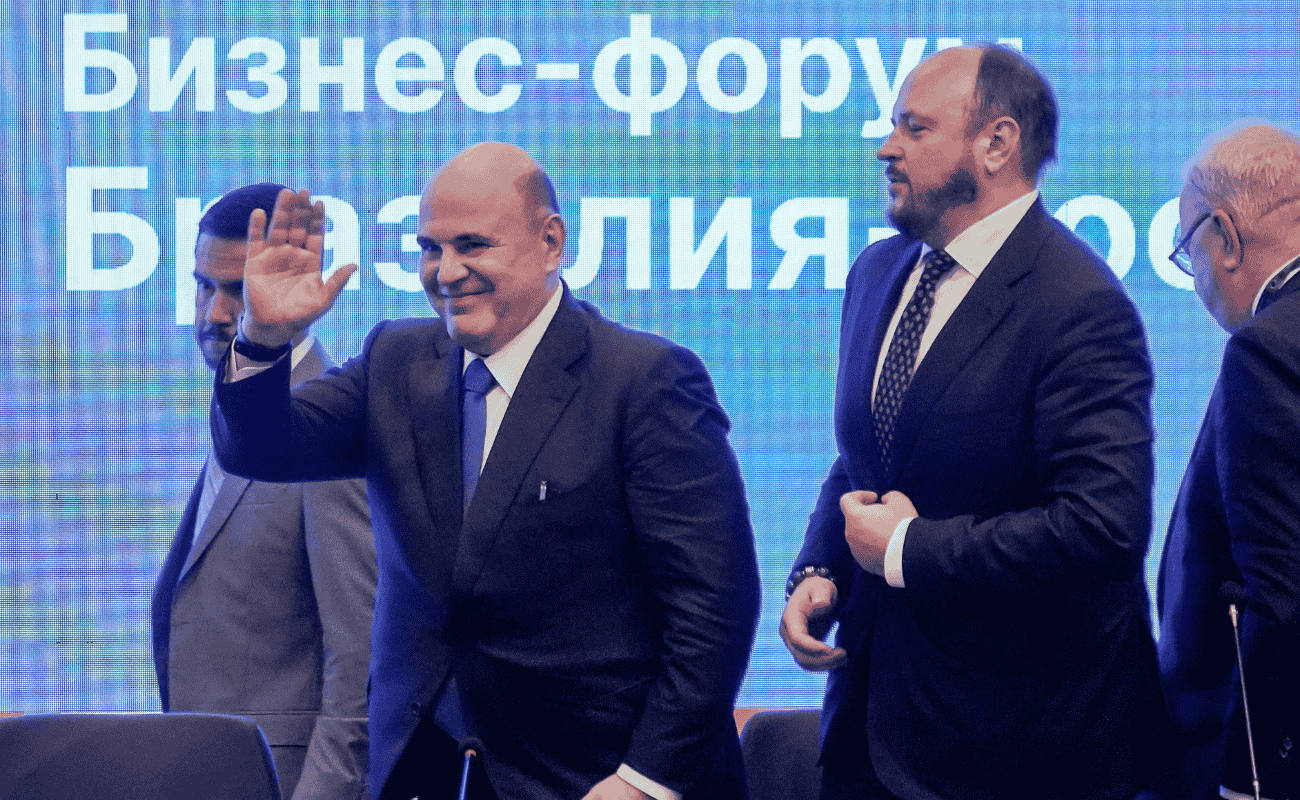
Prime Minister of Russia Mikhail Mishustin in Brazil (Photo: Rafa Neddermeyer/Agência Brasil)
In talks with the Russian prime minister, Lula stressed the need for prompt and concrete results for both countries, advocating stronger multilateralism and expanded trade given the vast and still underexplored potential between the two economies, whose current figures do not reflect the size and productive capacity of Brazil and Russia.
Mishustin, in turn, underscored the friendly ties based on mutual respect and strategic partnership, stating that Brazil and Russia agreed to adopt additional measures to expand trade, attract investment and develop joint projects in areas such as energy, industry, agriculture, high technology, science, culture and space exploration.
Russia also signaled its readiness to share peaceful nuclear technology, artificial intelligence, energy transition solutions and digitalization expertise.
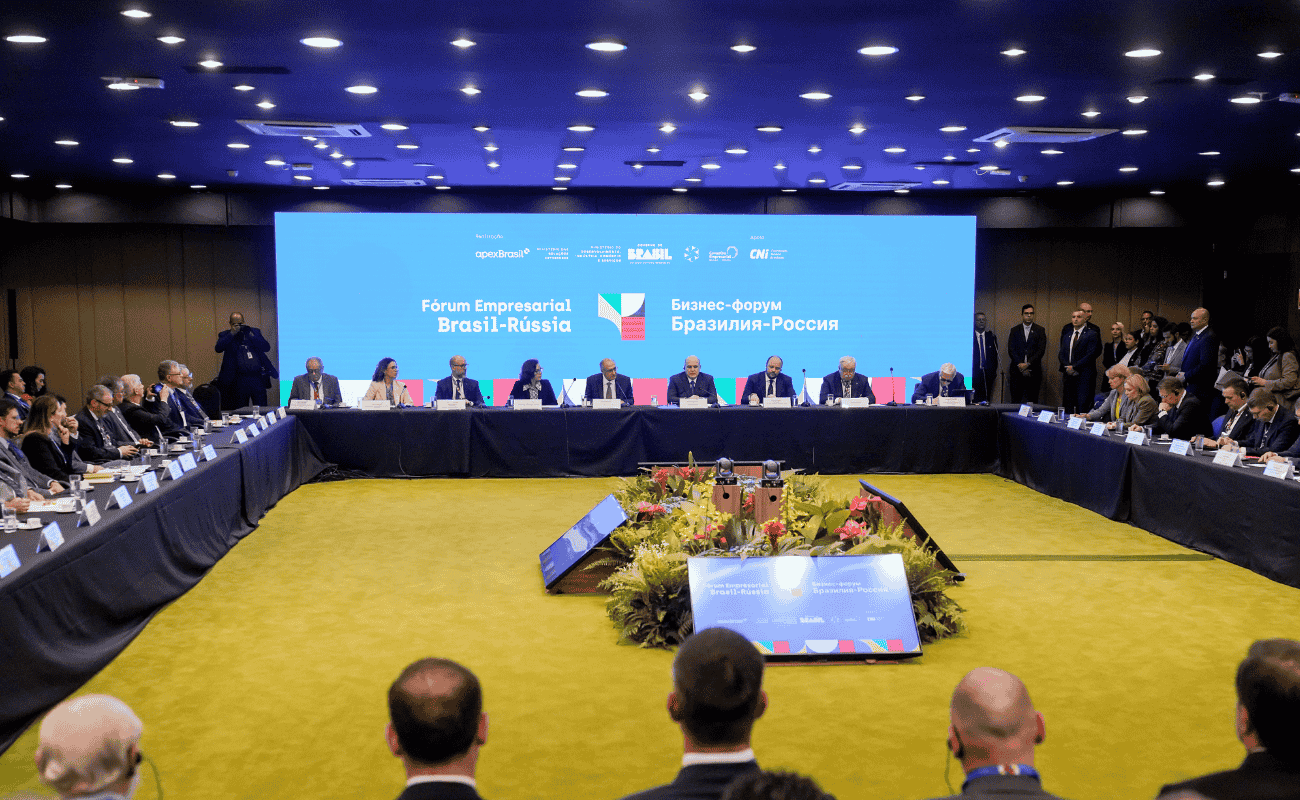
Brazil-Russia Business Forum (Photo: Rafa Neddermeyer/Agência Brasil)
How the agreements will be implemented
To move agreements from paper to practice, Brazil and Russia defined responsibilities and timelines. The structure operates on three levels with clear deadlines:
- Political level (High-Level Commission): Sets targets.
- Technical level (Intergovernmental Commission): Translates targets into projects. The next meeting is scheduled for May 2026.
- Sectoral level (Committees): Advances specific areas. The Agrarian Committee, for instance, will meet later in 2026.
In addition, a Consultations Plan for 2026–2029 ensures continued dialogue between diplomats. With these meetings already scheduled, the agreements have a concrete path toward implementation.
Advances and next steps in strategic areas
1. Trade, Agribusiness and Financial Sovereignty
To unlock bilateral trade, the countries will address bottlenecks on multiple fronts. In agribusiness, immediate action will focus on integrating sanitary information systems between authorities to significantly streamline product flows.
In parallel, in the financial sphere, Brazil and Russia reinforced ongoing cooperation on contemporary payment instruments. They expressed support for deepening dialogue between their central banks on financial agenda issues.
They also welcomed the establishment in 2025 of the Bilateral Economic and Financial Dialogue, an initiative linking Brazil’s Ministry of Finance and Russia’s Ministry of Finance.
2. Infrastructure and Logistics
To ensure that commercial and financial advances materialize, the partnership will also focus on operational infrastructure, moving forward on two complementary fronts:
- At the border: Customs authorities will continue technical cooperation to ensure that growing trade flows occur in a secure, lawful and efficient manner, removing bureaucratic obstacles.
- In the air: To enhance direct connectivity, Brazil and Russia agreed to hold technical consultations between their civil aviation authorities as soon as possible. This initial practical step may pave the way for the establishment of direct flights, facilitating not only trade but also the travel of tourists and business executives.
3. Science, Technology and Innovation
Cooperation has been designed at the frontier of knowledge, focusing on 11 cutting-edge areas such as artificial intelligence, quantum technologies and MegaScience projects (large-scale scientific initiatives requiring international collaboration).
The priority now is implementation. The first step will be to launch projects already defined, such as the joint climate research station “Amazon Carbon Mirror.” The aim is to establish permanent research structures including laboratories and joint programs.
4. Energy, Fertilizers and Strategic Security
The partnership seeks to strengthen two pillars of national security: energy and food. To that end, the countries agreed on a clear action plan.
- Fertilizers: The agreement calls for increased investment in domestic production, aligning Brazil’s strong demand with Russian technology and investment capacity. The immediate goal is to reduce external dependence and enhance Brazil’s agricultural resilience.
- Nuclear energy: In parallel, Russia confirmed its willingness to share expertise in peaceful nuclear energy. Cooperation would focus on the production of radioisotopes for cancer diagnosis and treatment, as well as joint projects in power generation, helping diversify Brazil’s energy mix.
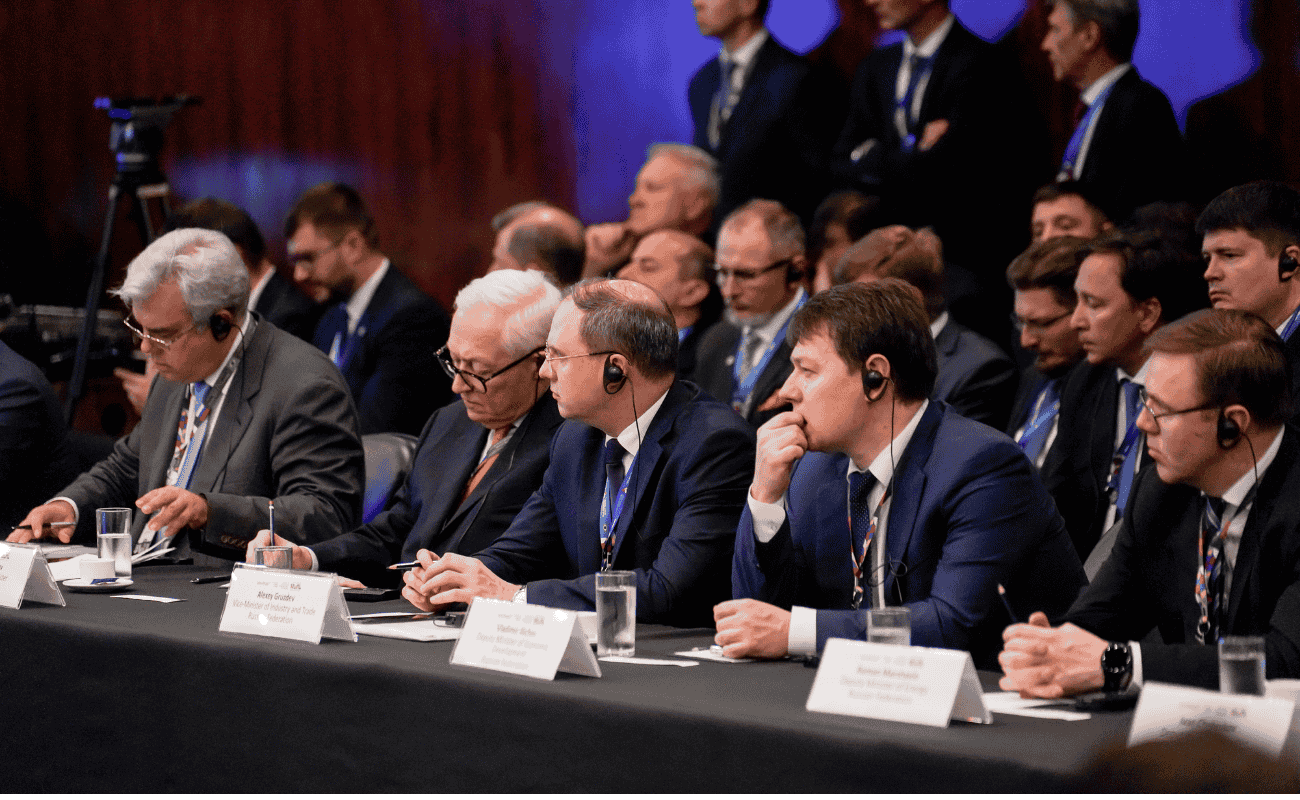
8th Meeting of the Brazil-Russia High-Level Commission on Cooperation at the Itamaraty Palace (Photo: Rafa Neddermeyer/Agência Brasil)
5. Space, Defense and Advanced Applications
Dynamic space cooperation, including satellite navigation and remote sensing, will be deepened through the development of joint Earth observation capabilities. Beyond space, the countries expressed mutual interest in sensitive areas such as cybersecurity and digital industrial technologies, signaling broader strategic dialogue.
6. Environment and Global Governance
Brazil and Russia assumed a joint leadership role on an urgent global issue, aligning to push for a binding international agreement against plastic pollution. Bilaterally, the next step is to strengthen practical cooperation in biodiversity conservation and sustainable water resource management.
The partnership also strengthens both countries’ global standing. As key BRICS powers, Brazil and Russia advocate a more balanced international system. A concrete example is Russia’s support for a permanent seat for Brazil on the UN Security Council.
7. Culture, Education and Societal Diplomacy
To build lasting ties between societies, the partnership focuses on two main fronts: the creative and academic.
- On the creative front, the goal is to finalize negotiations on an audiovisual co-production agreement and foster direct partnerships between institutions. This includes expanded dialogue among museums, theaters and circus companies, as well as strengthened contacts between sports federations to organize joint events. The exchange builds on established success stories such as the Bolshoi Ballet School in Joinville, in the state of Santa Catarina.
- On the academic and technical front, the focus is on specialist training and joint research. This is reflected in existing university consortia such as the Brazil-Russia Consortium of Technological Universities in Fuels and Energy, linking leading institutions from both countries.
Conclusion: partnership of mutual interests and shared vision
Brazil and Russia demonstrate that developing countries can establish cooperation agendas aligned with their national interests.
For Brazil, this means access to technology and investment in critical sectors such as energy and food security. For Russia, it consolidates its leading political and economic partnership in Latin America.
Ultimately, the path charted in Brasília has a clear horizon: to mark the 200th anniversary of diplomatic relations in 2028 as a demonstration of the maturity and achievements of this partnership.
See also
- Joint Declaration of the 8th Meeting of the Brazil-Russia High-Level Commission on Cooperation (Portuguese only)
Cover photo: Fabio Rodrigues-Pozzebom/Agência Brasil
Other photos: Rafa Neddermeyer/Agência Brasil