



“Salão do Turismo”: everything about the São Paulo Tourism Fair 2025
14 de August de 2025
Africa on the rise: 10 facts that will surprise you
24 de August de 2025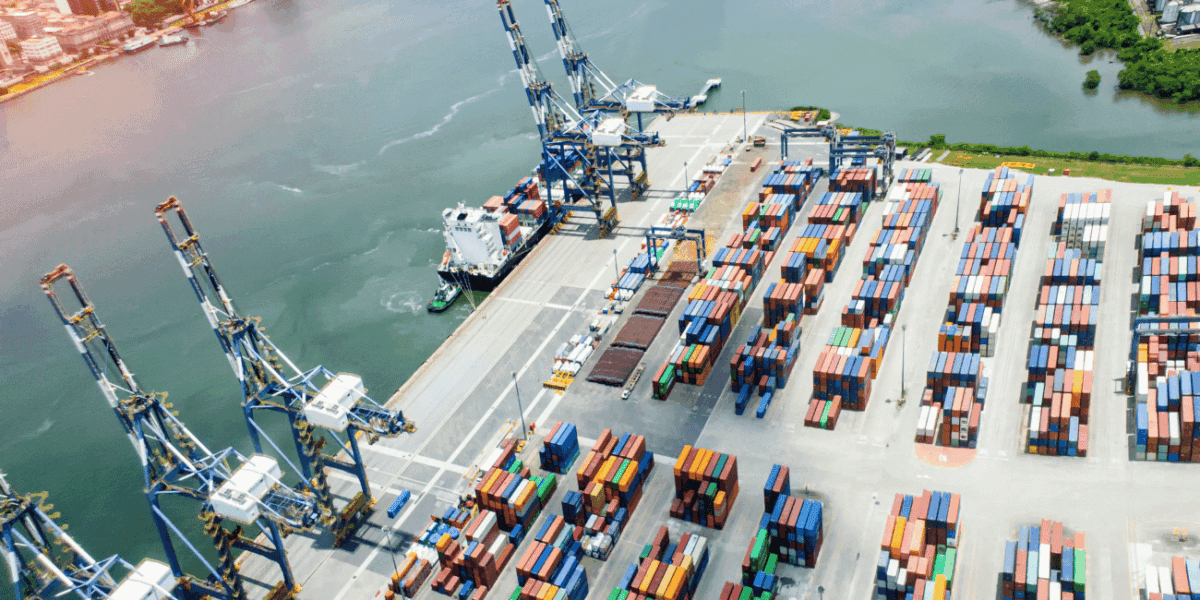
The country has attracted billions in investments across ports, waterways, airports and other transport modes, establishing itself as a benchmark for connectivity in Latin America.
Brazil enjoys a unique moment in the infrastructure sector. On Monday (August 18), during the Infrastructure Forum promoted by Veja magazine in São Paulo, the Minister of Ports and Airports, Silvio Costa Filho, announced that port concessions alone, granted by the federal government between 2023 and 2026, will total R$ 30 billion in investments.
In all, more than 60 auctions will be held for ports, airports, highways, railways and waterways, consolidating the country as a strategic destination for both domestic and international investors.
During the event, the minister highlighted Brazil’s favorable momentum and the achievements of the past year:
“In 2024, we had the best year for concessions in Brazil’s history. Concessions in ports, airports, highways, railways, waterways and intermodal facilities, along with numerous state government projects, amount to over R$ 200 billion in contracted investments in Brazil. These initiatives have generated significant social benefits and employment opportunities across the country.”
Silvio Costa Filho – Minister of Ports and Airports of Brazil
Port concessions: driving logistical modernization
The port sector leads this investment cycle with strategic projects, including the following auctions:
-
Santos-Guarujá Tunnel: in September, an auction will define the companies responsible for building and operating the tunnel between Santos and Guarujá. Joint initiative between the federal government and the State of São Paulo, the project involves more than R$ 6 billion in investments.
-
Tecon Santos 10: this container terminal will expand the operational capacity of the Port of Santos by 50%, with R$ 5.6 billion in investments.
-
Paranaguá Port Dredging: the first concession of its kind in Brazil, with R$ 1 billion in investments, will serve as a model for the Santos channel.
Waterways: sustainable transport attracting investors
Brazil will also advance with the concession of the Paraguay Waterway, the first of its kind in the country. With more than 60,000 kilometers of navigable waterways, Brazil has the potential to cut logistics costs by up to 40%, increase transport efficiency and contribute to decarbonization. “These sustainable projects are drawing significant interest from investors in Asia, Europe and Latin America,” the minister stressed.
Other projects under study include the Madeira, Lagoa Mirim, Tocantins and Tapajós waterways, all integrated into the BR do Mar program, which promotes cabotage in freight transport between national ports. “The idea is to transform Brazil’s 8,000 kilometers of coastline into major highways, boosting cabotage and coastal cargo transport,” he explained.
Airports: historic growth and regional inclusion
Brazil’s air sector is experiencing a sharp rise in passenger numbers and is set to begin a new cycle of investments in terminal modernization and expansion of the air network. Highlights include:
- AmpliAR: R$ 1.25 billion allocated to modernize 19 airports in the Legal Amazon and Northeast regions, strengthening regional aviation.
- Investe + Aeroportos: R$ 4.5 billion dedicated to projects aimed at boosting logistics efficiency and airport operational capacity.
Conclusion: logistics investments set to transform Brazil
Brazil’s development agenda is a federal government priority and is set out in the National Logistics Plan (PNL), with goals through 2035. With planned concessions, strong investment attraction and a focus on sustainability and decarbonization, the country will strengthen its logistics and consolidate itself as a benchmark in transport and connectivity in Latin America, generating jobs and becoming increasingly competitive on the global stage.
The information and data are from Agência Brasil and the Ministry of Ports and Airports on the Gov.Br website.
Check out this article on the BRICS Brasil website: