



Chinese New Year is theme of new series by Instituto CPFL
14 de February de 2026
Brazil-China: how local currency trade works
26 de February de 2026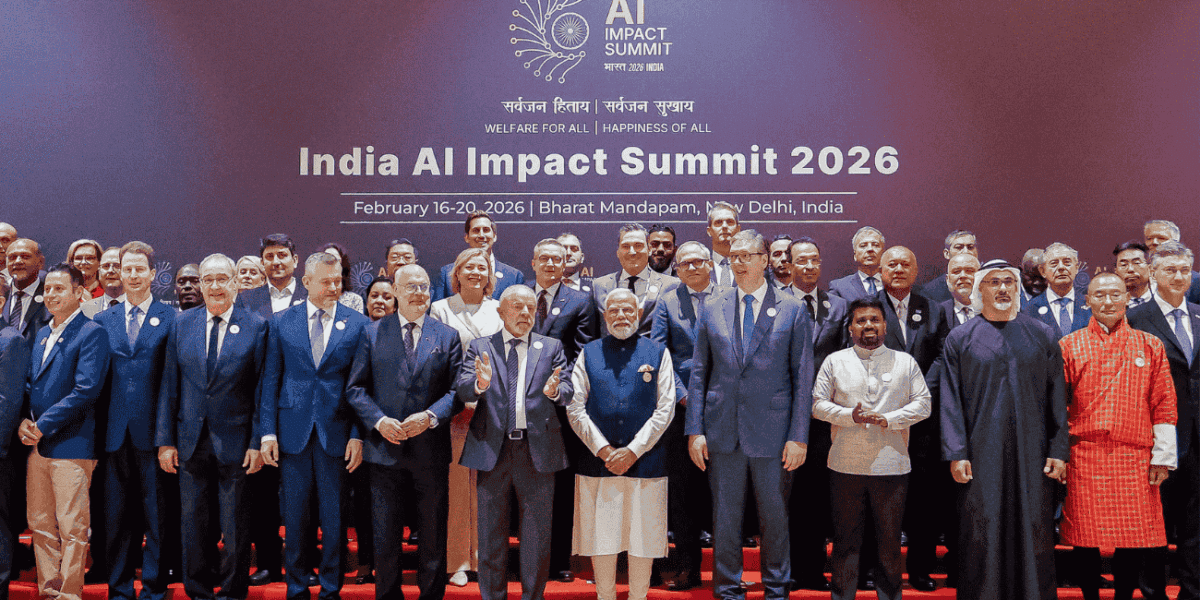
A leading force in global trade, the world’s most populous country is now the fourth largest economy and has just signed new agreements with Brazil.
For decades, India was framed by images that failed to keep pace with its transformation. That narrative endured even as the country’s economy, technology and society advanced at remarkable speed. In 2026, the data no longer allows for outdated perceptions.
India now stands at the forefront of technology, artificial intelligence, digital payments, healthcare, pharmaceuticals and economic diplomacy.
With around 1.5 billion people, the country has emerged as a new center of power. India engages simultaneously with BRICS+, the West and the Global South, providing a model for doing business in a multipolar world.
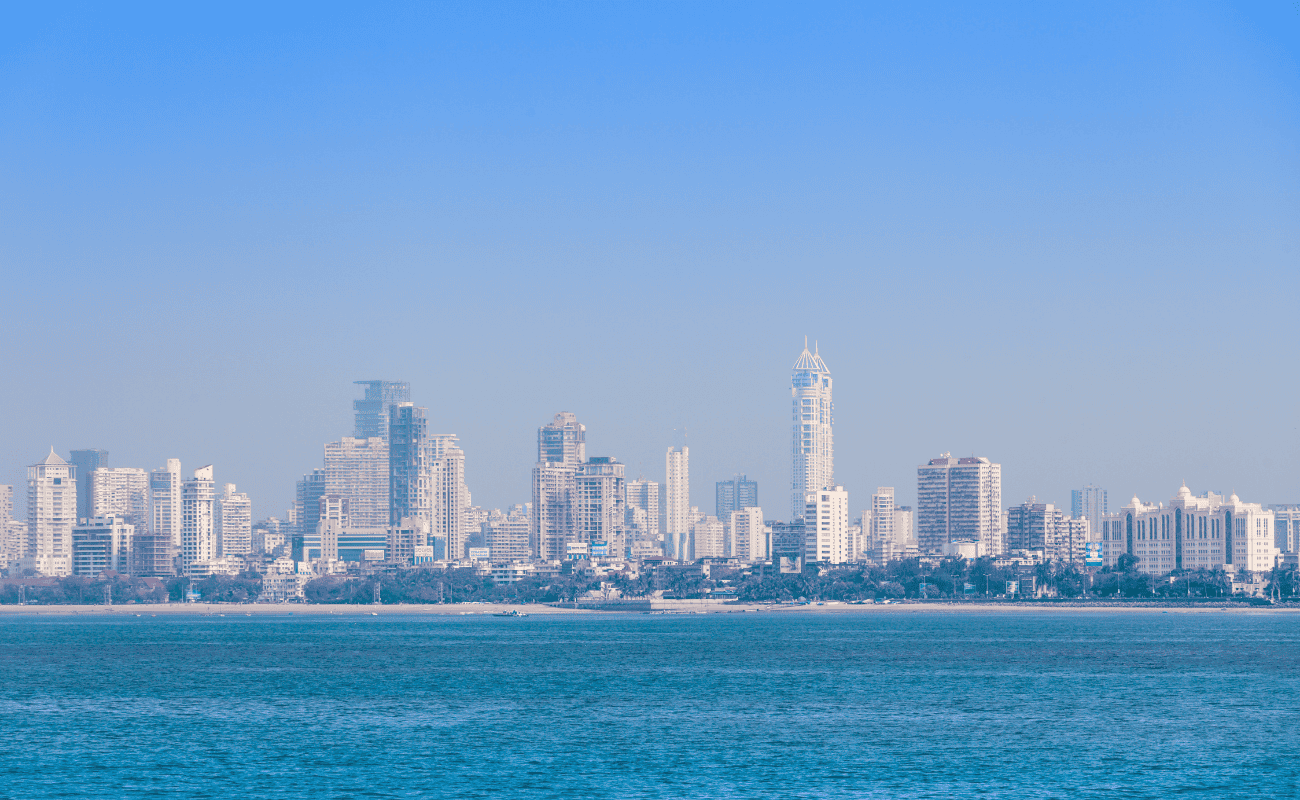
13 truths behind India’s rise
1) One of the world’s largest economies
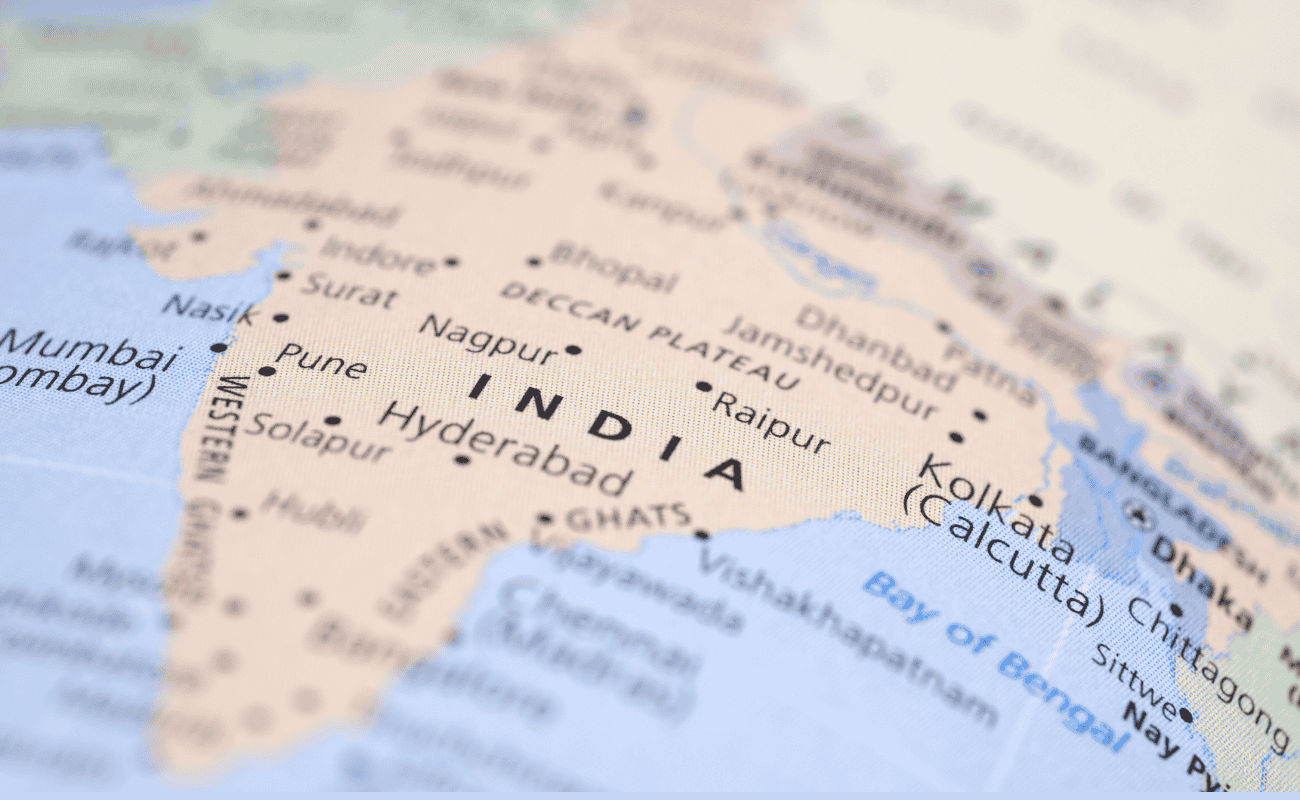
With GDP of roughly US$ 4.5 trillion, India has surpassed Japan and now ranks fourth globally. Growth near 7 percent annually is supported by domestic consumption, public investment in infrastructure and industrial expansion. While advanced economies struggle with low dynamism and aging populations, India combines rapid expansion with consolidated macroeconomic stability.
2) Around 1.5 billion people and a median age of 29
India is the most populous nation on Earth and one of the youngest. Its median age of 29 is the lowest among major economies. More than a quarter of its population is between 10 and 26 years old. This translates into a growing workforce, an expanding consumer market and a strong capacity to absorb new technologies.
3) Public digital infrastructure and mass inclusion
Two systems underpin one of the largest financial inclusion revolutions in the world:
- Unified Payments Interface (UPI) processes billions of transactions each month and accounts for the majority of digital payments in the country.
- Aadhaar provides biometric identification to more than 1.3 billion people.
Millions who were previously outside the banking system now access credit, government transfers and financial services through their mobile phones. Formalization has boosted productivity and public revenue.
4) Artificial intelligence as state policy
India has launched a national AI program with a budget exceeding US$ 1 billion, subsidizing computational infrastructure and fostering homegrown models applied to agriculture, healthcare and education.
Partnerships are accelerating this strategy. NVIDIA, for instance, is cooperating to expand computing capacity, viewing India as one of the most promising AI markets in the world.
5) International and domestic giants invest in data centers
Companies such as Google, Microsoft and Amazon are expanding cloud investments in India, while Adani Group is building data centers powered by renewable energy. More recently, NVIDIA partnered with engineering powerhouse Larsen & Toubro (L&T) to develop a gigawatt-scale AI data center in the country, reinforcing India’s ambitions in the sector.
6) Robust innovation ecosystem
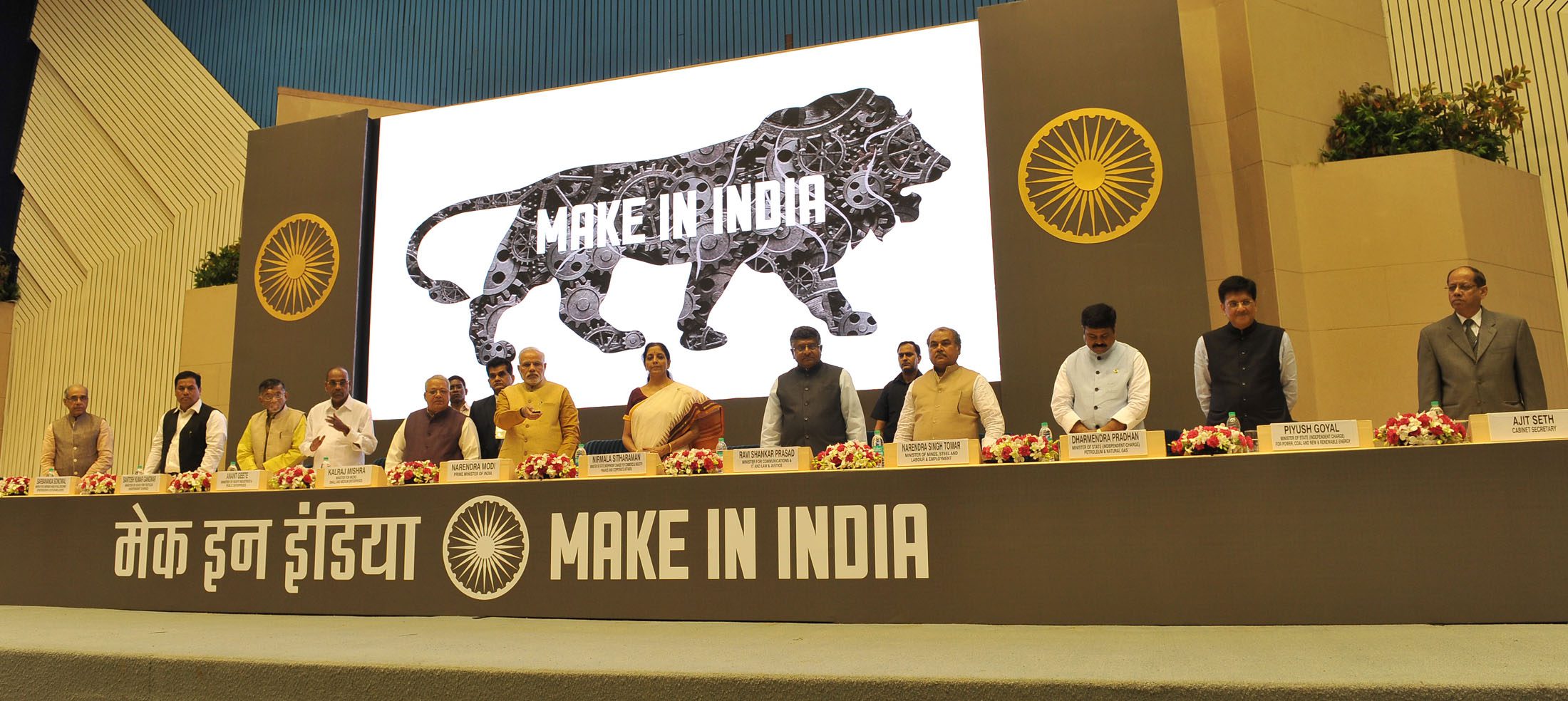
India has the world’s third largest startup ecosystem, with more than 100 unicorns, supported by initiatives such as the Make in India program aimed at strengthening domestic manufacturing and innovation. Cities such as Bengaluru and Hyderabad have become international hubs for engineering and technology.
7) Space achievement
The Indian Space Research Organisation made India the first and only country to achieve a controlled landing near the Moon’s south pole with the Chandrayaan-3 mission. With its crewed Gaganyaan program, the country is preparing to send astronauts into space using its own technology, consolidating advanced engineering capabilities and high-value industry.
8) Pharmacy of the world
India accounts for about 20 percent of global generic medicines (and roughly 40 percent of US imports in this category). It plays a key role in the production of vaccines, pharmaceutical ingredients and biosimilars, a sector that became geopolitically critical after the pandemic.
9) Accelerated energy transition
More than 50 percent of installed electricity generation capacity already comes from non-fossil sources, a target reached ahead of schedule under the Paris Agreement. The expansion of solar, wind and nuclear energy reduces external vulnerabilities and attracts international investment aligned with the energy transition.
10) Rapid urbanization and social infrastructure
Each year India adds the equivalent of a city the size of São Paulo to its urban population, increasing demand for roads, airports, housing, sanitation and transport nationwide. At the same time, it is accelerating access to sanitation and piped water in rural and urban areas while strengthening employment and social protection programs that have significantly reduced extreme poverty in recent years.
11) World’s third largest number of billionaires
According to Forbes 2025, India is home to 205 billionaires, the third highest total globally behind the United States and China. Figures such as Mukesh Ambani and Gautam Adani lead domestically.
At the same time, India ranks as the leading country of origin among foreign-born billionaires in the United States, with 12 names on the Forbes 2025 immigrant billionaires list, ahead of Israel. Executives such as Sundar Pichai and Satya Nadella head technology giants.
12) Economic diplomacy and emerging financial leadership
India is a central member of BRICS and plays a pivotal role in the New Development Bank (NDB), created to finance infrastructure and sustainable projects in emerging economies. At the same time, it maintains agreements and trade flows with the United States, the European Union (with which it recently concluded a free trade agreement creating a market of roughly 2 billion people) and Russia.
Few countries today are able to negotiate simultaneously with all major poles of world power. The strategy is clear: operate across leading global forums and emerging coalitions without exclusive dependence on a single axis.
13) Partnership with Brazil
The Brazil–India partnership, built over many years, gained renewed momentum with president Lula’s state visit to New Delhi in February 2026, when eight agreements and memoranda were signed. Bilateral trade surpassed US$ 15 billion in 2025, up roughly 25 percent from 2024, with a revised target of US$ 20–30 billion by 2030 focused on high-value supply chains, technology and energy transition.
Highlights include:
- Unprecedented memorandum on critical minerals and rare earths covering exploration, processing, AI applications, reciprocal investment and technology transfer, reducing external dependencies and strengthening autonomy.
- In health and science, both sides agreed to expand cooperation in research, pharmaceutical production, inputs and public health innovation, an area in which India is a reference in generics and vaccines.
- Embraer is deepening its partnership with Adani Defence & Aerospace to establish a final assembly line for the E175 in India, with local manufacturing, supply chains and maintenance, advancing the memorandum of understanding signed in January 2026.
- Vale signed an agreement with Adani Ports in Gangavaram and with NMDC to expand its presence in India through large-scale iron ore logistics infrastructure capable of handling up to 75 million tonnes per year, strengthening export flows between the two countries.
These moves diversify global supply chains and expand bilateral investment in strategic sectors.
“The meeting between India and Brazil is a meeting of superlatives. We are not merely the two largest democracies in the Global South. This is a gathering of a digital superpower and a renewable energy superpower.”
President Lula during his state visit to India
Conclusion
India brings together the essential elements to rank among the great powers of the 21st century: youthful demographic scale, consistent economic growth, social inclusion, mass public digitalization, globally relevant pharmaceutical industry, growing influence in the financial governance of emerging economies through BRICS and the New Development Bank, accelerated energy transition and technological ambition in artificial intelligence and space.
As it expands agreements with the United States and Europe, it simultaneously consolidates leadership among developing economies. This combination of a vast domestic market, innovation and pragmatic diplomacy explains why India is not only already among the largest economies but has a concrete foundation to become one of the world’s top three within this decade.
Cover photo: Ricardo Stuckert/PR