


WAIC 2025: China’s largest global AI event begins this week
20 de July de 2025
Brazil shines in public digital solutions with Serpro at mega AI event in Shanghai
1 de August de 2025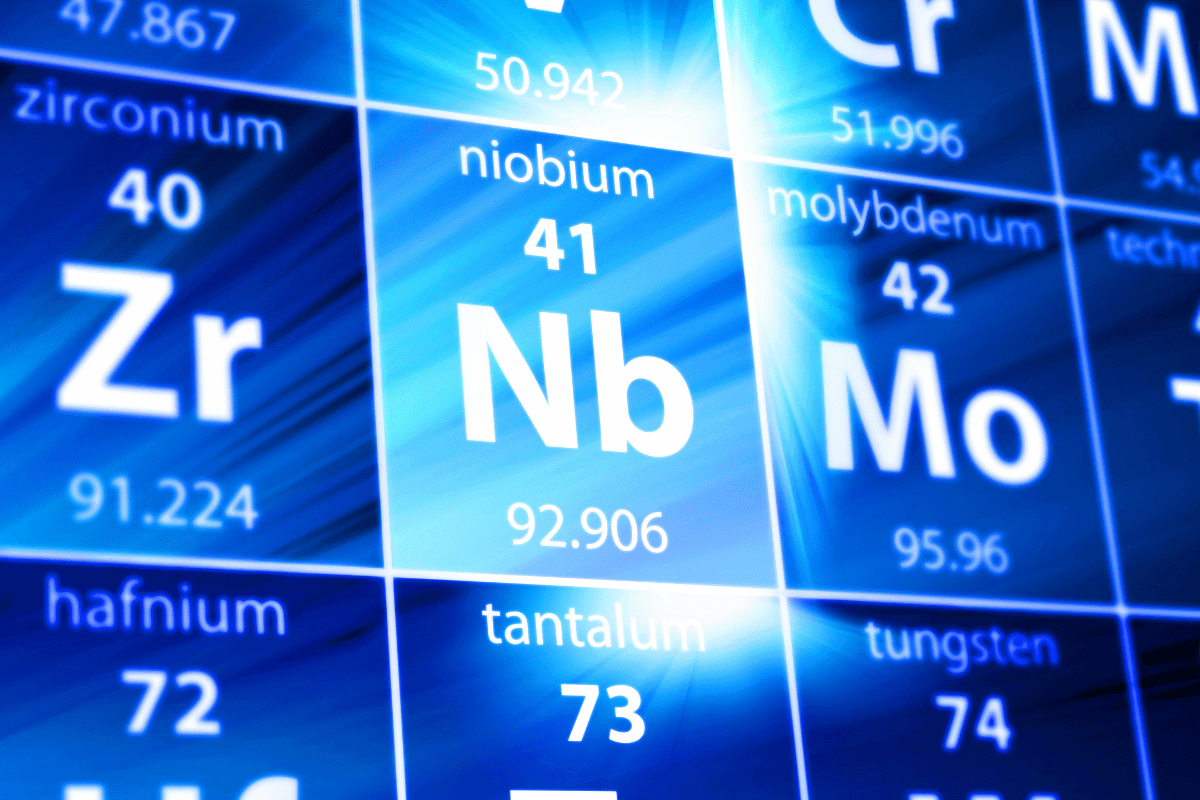
Independent AI-driven study maps strategies for Brazil to lead in strategic value-added supply chains.
⚠️ AUTHOR’S NOTE – Independent Study
This article is not affiliated with any government or political party. It is an independent technical exercise that used AI to analyze global public policies, process open data, and generate proposals intended to foster democratic debate about Brazil’s future. The 100 strategies presented here are contributions to society and do not represent official positions.
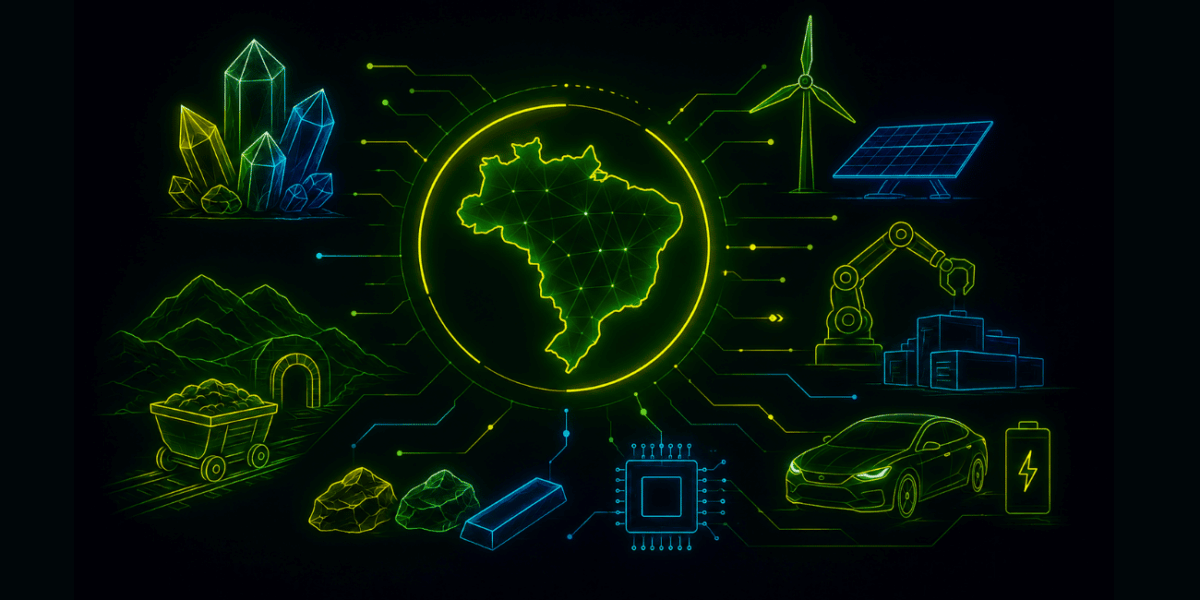
Brazil holds the world’s second-largest reserve of rare earth elements, with approximately 22 million tonnes (23% of global supply), along with 10% of global reserves of critical minerals—including 98% of the world’s niobium, 25% of natural graphite, and 5% of global nickel, according to the National Mining Agency (ANM).
Despite this vast potential, the country still exports 90% of these resources as raw commodities, missing out on opportunities to add value and build high-tech production chains. For every tonne of unprocessed rare earths exported, Brazil loses up to US$500,000 in potential revenue from finished products such as permanent magnets and advanced batteries.
In response, the Brazilian government is set to launch the National Policy on Critical Minerals and Rare Earths (PNMCTR) in November 2025. The goal is to position Brazil as a global supplier of essential minerals for sectors such as renewable energy, electric mobility, defense and high technology.
The strategy is anchored on three main pillars:
-
Technological sovereignty: secure domestic supply of raw materials for the green and defense industries
-
Accelerated industrialization: develop the entire production chain within the country
-
Certified sustainability: apply globally recognized ESG (Environmental, Social and Governance) standards
The future Brazilian policy will cover the entire value chain – from extraction to processing, industrialization and technological innovation – with a focus on sustainable modernization, automation, efficient governance, strict oversight and trade diplomacy.
In this latter regard, Brazil has announced it will launch a technical cooperation with India, aimed at adding value at various stages of the critical minerals supply chain. As emphasized today (July 28, 2025) by the Special Advisor to the President of the Brazilian Republic, Celso Amorim, the initiative reinforces the role of the Global South in the pursuit of energy and industrial autonomy.
In light of the country’s ambitious goals and related challenges, I used artificial intelligence to conduct a brainstorming session and identify “potential avenues”.
🤖 How did AI help shape this plan?
This article emerged from an extensive and in-depth dialogue with DeepSeek AI, which specializes in strategic resource geopolitics. From there, a meticulous process of curation, research and refinement was carried out using tailored prompts, with support from both DeepSeek and ChatGPT to “translate” technical concepts into clear and accessible language.
DeepSeek analyzed 26 international models — including those from the United States, the European Union, Vietnam and all BRICS countries (with a focus on China, India and Russia). It also cross-referenced data from 120 Brazilian mineral deposits and market projections through 2040 to propose strategies tailored to Brazil’s context.
The result? An innovative and actionable plan featuring 100 strategies to transform Brazil into a global hub for sustainable critical minerals.
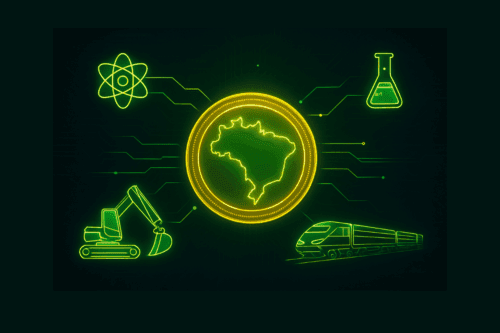
100 strategies for Brazil to lead in critical minerals and rare earths
🏛️ Institutional and legal strengthening
(Governance and business environment)
-
-
Create the Brazilian Agency for Critical Minerals (ABMC) to coordinate public policy
-
Establish a Mineral Security Law (requiring 51% domestic capital in strategic projects)
-
Reduce taxes for companies processing minerals in Brazil (tax incentive)
-
Implement a “Brazilian Mineral Technology” certification label for high-value-added product
-
Digitize environmental licenses using blockchain (digital technology that records data securely and permanently)
-
Require industrialization plans as a condition for exporting raw ores
-
Prohibit raw mineral exports without technological counterpart
-
Map reserves using satellites and artificial intelligence
-
Classify rare earths as a strategic national security resource
-
Integrate mineral policy with the National Artificial Intelligence Strategy
-
Promote public-private consortia for sustainable exploration
-
Update the Mining Code with specific rules for critical minerals
-
Develop a performance index to monitor 10-year goals
- Establish an advisory council including industry, academia and civil society
-
Create a sovereign fund financed by mineral royalties
-
Implement an alert system for vulnerabilities in global supply chains
-
Coordinate policies with producing states such as Pará (bauxite, copper, rare earths) and Minas Gerais (niobium, iron, lithium)
-
Adopt big data–based governance (strategic use of large data sets to make decisions)
-
Protect patents for technologies developed with public funding
-
Link mineral policy to the National Defense Strategy
-
⚙️Sustainability and circular economy
(Innovation and supply chain development)
21. Build neodymium magnet factories (used in electric motors)
22. Master metallurgy for heavy rare earth elements (e.g. dysprosium)
23. Connect mines to industrial hubs via railway corridors
24. Develop Brazilian metallurgical technology to purify rare earths – fundamental step to transform minerals into valuable elements such as magnets and batteries
25. Launch an import substitution program for strategic components
26. Create a National Mining 4.0 Center (integration of digital technologies such as drones, sensors and automation)
27. Implement biomining using microorganisms to separate minerals
28. Produce solid-state lithium batteries (safer and higher energy density)
29. Boost the semiconductor value chain (chip and electronic component production)
30. Set up Special Economic Zones (Zonas Econômicas Especiais – ZEEs) in mining regions to attract high-value industries
31. Manufacture petroleum catalysts using Brazilian rare earths (adds value, reduces imports and strengthens national industry)
32. Develop advanced metal alloys for the aerospace industry
33. Innovate in deep mining with autonomous robotics (use of independent robots in hard-to-access areas)
34. Certify laboratories for purity analysis (international ISO standard)
35. Scale up e-waste recycling
36. Automate mining operations to increase safety
37. Research medical applications (e.g. MRI contrast agents)
38. Build mineral processing plants near mine sites
39. Integrate mineral production with green hydrogen (electrolyzers)
40. Create tech parks for mining-region startups
41. Develop supermagnets for offshore wind turbines
42. Manufacture electric vehicles with domestically sourced magnetic components
43. Modernize ports for high-value product exports
44. Produce specialty glass using national critical minerals (for lenses, lasers and medical equipment)
45. Advance in quantum technologies (next-gen computing)
♻️ Sustainability and circular economy
(Environmental management and efficiency)
46. Recycle 90% of mining waste by 2035
47. Restrict mining in environmentally sensitive and biodiverse areas using satellite monitoring
48. Certify mines with a Zero Carbon seal (using renewable energy)
49. Promote urban mining in high-electronic-consumption urban centers
50. Establish zero-waste disposal protocols
51. Restore degraded areas using bioremediation techniques (ecological restoration; use of natural organisms to restore impacted areas)
52. Compensate traditional communities with royalties and training
53. Oversee operations with drones and IoT sensors
54. Promote circular economy in integrated production chains
55. Develop biodegradable packaging for mineral products
56. Reduce water use through closed-loop systems
57. Map environmental liabilities and require immediate remediation
58. Encourage mining in already anthropized (human-altered) areas
59. Create an environmental compensation fund financed by fines
60. Require sustainable mine closure plans (ensuring land recovery and responsible post-mining use)
🎓 Education and training
(Human capital development)
61. Include mineral geopolitics in technical education curricula
62. Offer scholarships in advanced metallurgy (specialization)
63. Create the Brazilian Academy of Critical Mineral Technology
64. Develop distance learning courses in mineral processing
65. Hold national geology olympiads in public schools
66. Train 50,000 workers in mining 4.0 operations (automated operations connected by digital technologies) by 2030
67. Promote technical exchange programs with leading countries in the field — including China, Japan, Australia, South Korea, India and other BRICS+ nations
68. Implement virtual simulation labs in universities
69. Support PhD programs in strategic mineral economics
70. Build an Interactive Rare Earth Museum for science outreach (scientific dissemination)
🌐 Global positioning and partnerships
(Diplomacy and trade)
71. Link exports to technology transfer (“commodity for know-how”)
72. Join the Critical Minerals Alliance (global initiative that brings together strategic countries to guarantee the sustainable and safe supply of essential minerals)
73. Negotiate preferential trade agreements with strategic blocs and countries (e.g. European Union, Southeast Asia and Africa, for instance)
74. Launch a “Brazilian Rare Earths” market brand
75. Establish a Strategic Metals Exchange for transparent trading
76. Form a niobium alliance with Canada to regulate prices (Brazil is the global leader)
77. Export permanent magnets to premium markets
78. Attract EV automakers with locally processed lithium
79. Take part in the International Mineralogical Association (IMA) – international organization that brings together scientists and institutions dedicated to the study of minerals
80. Develop a B2B platform to connect producers and global buyers
81. Expand the role of the NDB (BRICS Bank) to finance strategic mineral projects in countries in the Global South
82. Diversify export markets to Southeast Asia and Africa
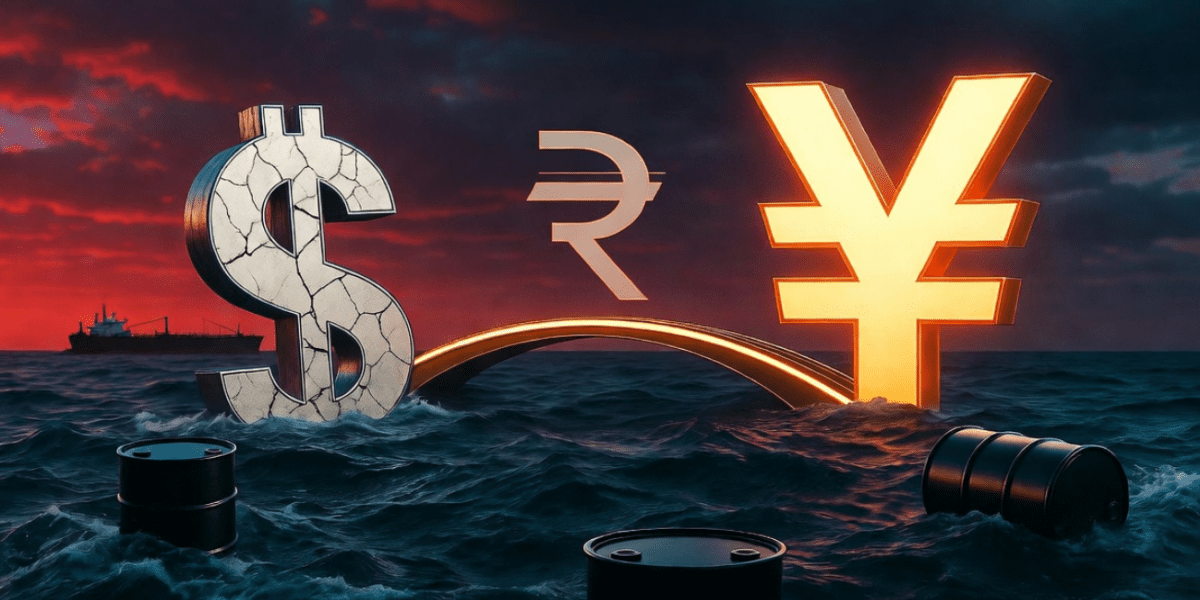
83. Use local currencies in BRICS+ transactions
84. Conduct roadshows in global financial centers
85. Open commercial offices in strategic embassies
86. Offer long-term contracts with stable prices
87. Promote Brazil as a sustainable and complementary supplier in global critical mineral chains, including cooperation with China
88. Establish partnerships with Africa for responsible mining
89. Influence international mineral certification standards
90. Certify traceable origin using blockchain (guarantee of origin)
🛡️ National security and defense
(Strategic protection)
91. Ban foreign investments without industrial counterparts
92. Stockpile strategic reserves equivalent to 24 months of consumption
93. Monitor deposits via satellite with military support
94. Develop defense technologies using domestic rare earths
95. Create a crisis committee for global supply disruptions
96. Protect geological data with advanced cybersecurity (firewalls and encryption)
97. Strengthen border control to fight mineral smuggling
98. Train specialized troops to protect critical infrastructure
99. Integrate mineral stockpiles with the National Defense Strategy
100. Research laser-based defense systems using rare earths (anti-drone and missile defense)
Conclusion: Brazil could be a major power in rare earths in the strategic minerals age
These 100 strategies show that Brazil can transition from a raw mineral exporter to a global leader in green technology. With abundant resources, access to global markets, and a historic opportunity, the country is well positioned to lead a new industrial revolution grounded in innovation, sustainability and value creation.
These recommendations show the path is viable — as long as there is political will, coordination between sectors and an unwavering commitment to national interests. The critical minerals policy is more than a plan: it is Brazil’s opportunity to become a technological powerhouse. It’s time for government, industry and society to act – together and now!
📍 Exemples of where Brazil can lead:
-
-
Niobium: 98% of global reserves → Alloys for jet engine turbines
-
Rare earths: 2nd largest reserve → Magnets for electric vehicles
-
Graphite: 25% of global supply → Lithium-ion batteries
-