



BRICS United: round-the-world voyage on sailboat to become film
16 de March de 2026
BYD in Brazil: history of the Chinese giant
3 de May de 2026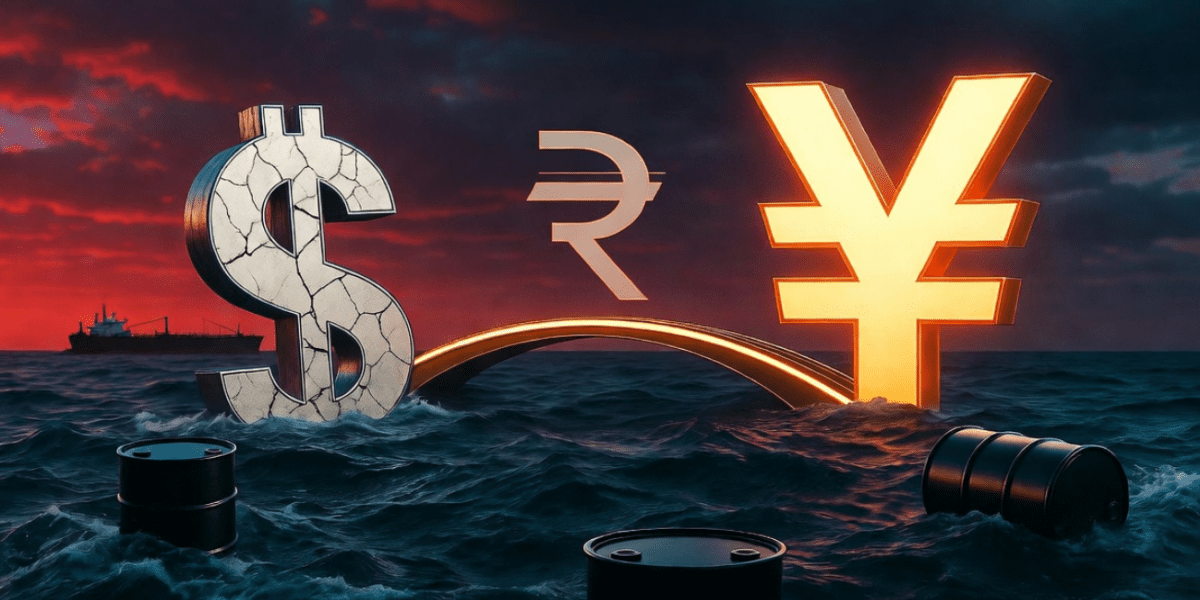
Iran war is a watershed moment, impacting the oil-trade currency hegemony. Explore the evidence and see how Brazil is navigating this shift.
For decades, the dollar remained the world’s strongest currency due to an informal agreement with Gulf nations, especially Saudi Arabia. In exchange for U.S. military protection, they began selling oil exclusively in dollars and reinvesting the profits in U.S. Treasuries. This flow of capital — known as petrodollar recycling—allowed the United States to borrow cheaply, spending more than it collected without triggering a spike in interest rates.
Now, the U.S. and Israel have inadvertently sabotaged their own system by producing the opposite of the intended effect: the war against Iran has exposed the fragility of American protection and accelerated the search for dollar alternatives. Underestimating Iranian power has proven to be a catastrophic error.
Bloomberg Opinion published an article summarizing the moment: “The Iran War Just Broke the Petrodollar” . This week, the Financial Times endorsed the thesis: “Iran war has exposed the weakness of the dollar“. Reports on the subject are appearing everywhere.
Below are 10 facts highlighting this shift.
1. Closure of the Strait of Hormuz collapsed oil flow
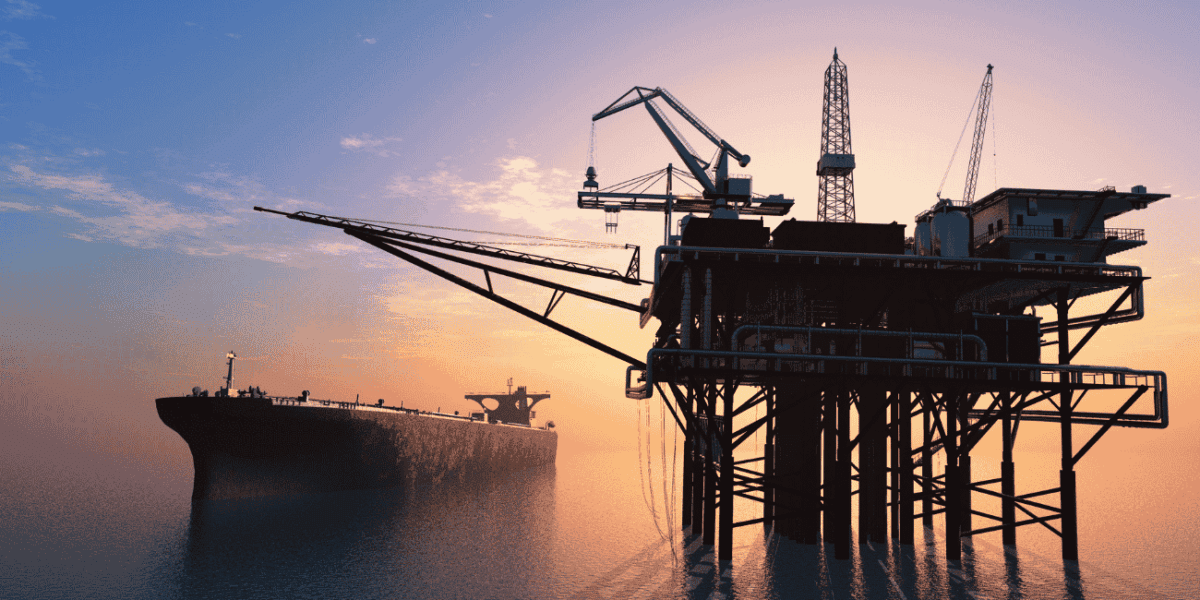
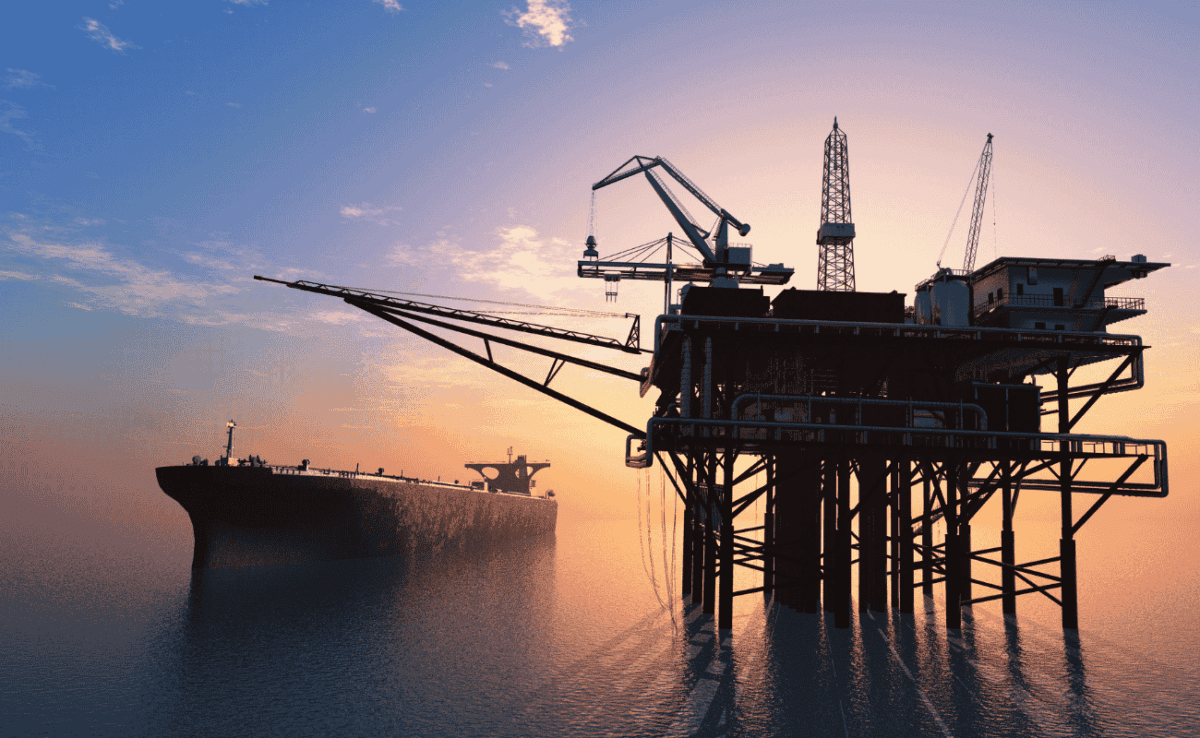
The Strait of Hormuz — through which 20% to 30% of global oil passes — remains closed and restricted. Daily volume has plummeted from 20 million barrels to fewer than 2 million. The International Energy Agency (IEA) classified the disruption as the largest in history. Without oil flow, there are no petrodollars to recycle.
2. Iran creates “Tehran toll” — and only accepts yuan, stablecoins and Iranian Rial
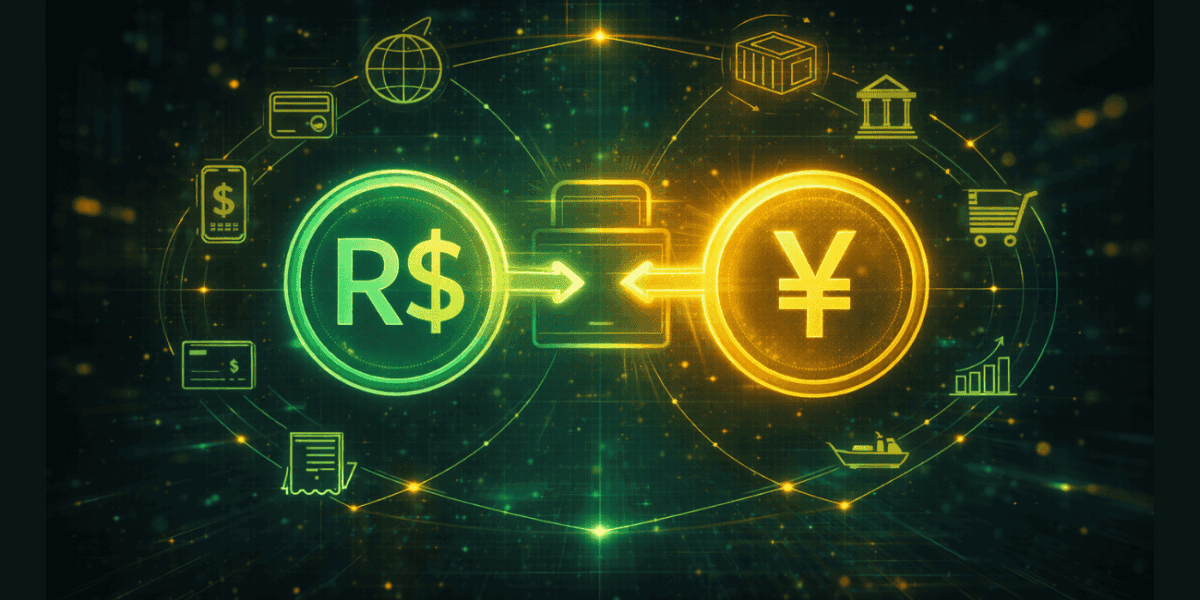
The Iranian Revolutionary Guard demands US$1 per barrel (US$2 million per supertanker) from those crossing the Strait — payment is accepted in yuan, stablecoins and Iranian Rial. The Iranian parliament has already passed a bill formalizing the toll. The link between oil and the dollar has been severed at the planet’s most strategic route, leading major importers—such as China, India and Europe — to diversify their payment methods.
3. The 1974 U.S.-Saudi understanding has weakened
The petrodollar pact was never a signed contract, but an informal cooperation agreement. In 2024, Saudi Arabia did not renew this understanding and adopted a more flexible stance. The country still sells oil in dollars but is open to other currencies — especially the yuan (China is its largest customer) — and has been developing infrastructure for a multi-currency system.
4. Saudi Arabia connects to mBridge—infrastructure to sell oil in yuan already exists
The Saudi Central Bank (SAMA) has joined Project mBridge, a digital currency platform developed in partnership with China, Hong Kong, Thailand and the UAE. The system enables faster and direct international settlements using CBDCs (Central Bank Digital Currencies), without depending on SWIFT.
5. Iran asks China to become a security guarantor in the Middle East
Iran’s Ambassador to China, Abdolreza Rahmani Fazli, stated that his country expects China to help guarantee security in the region. In March, Foreign Minister Wang Yi had already called his counterparts in Saudi Arabia and the UAE – a clear sign that the axis of power is shifting. Subsequently, the Chinese Foreign Ministry announced that Beijing expects all parties to resolve disputes through “dialogue and negotiation.”
6. U.S. protection has become a dangerous burden for allies
Iranian attacks have damaged energy infrastructure, airports, military bases in the Gulf and other strategic targets throughout the region. The U.S. failed to protect its allies, evidencing that confidence in the “oil-for-security” deal has been shaken.
7. Emirati billionaire goes viral exposing dissatisfaction with Trump
Khalaf Ahmad Al Habtoor, Chairman of the Al Habtoor Group, posted an “open letter to Trump” on X that went viral in March 2026. The question was direct: “Who gave you the authority to drag our region into war with Iran?” He criticized the lack of calculation regarding collateral damage and stated that Gulf countries were placed at the center of a danger they did not choose. This dissatisfaction spans from governments to the business elite and public opinion.
8. Risk models are already pricing in a weaker dollar
Central banks, sovereign wealth funds and investment banks are already factoring a weaker dollar into their forecasts. According to the IMF, the dollar’s share of global reserves fell to 56.77% — one of the lowest levels since 1995. “The exorbitant privilege of Treasuries and the dollar has vanished“, stated economist Ricardo Reis – professor at the London School of Economics (LSE) and consultant to the Richmond Fed — in an interview with Brazilian newspaper Valor.
9. World reduces exposure to dollar debt and expands yuan usage
The issuance of Panda bonds — yuan-denominated bonds issued by foreigners in China — tripled in March 2026, totaling 27.8 billion yuan (US$4 billion). Yuan financing by foreign borrowers reached 218 billion yuan (US$31.6 billion) in the first months of the year, surpassing the 2025 total. The cost is 60% lower than dollar-based financing: Chinese interest rates stand at 1.82% against 4.46% for U.S. Treasuries.
10. Nothing will be as it was before
The facts above show that the erosion of the petrodollar is already a reality. The war in Iran has opened a Pandora’s box. More disruptive news is on the horizon. It is history being written in real-time. The end of dollar hegemony will be gradual, but the direction is clear: the world has become multipolar, with the yuan, gold and digital currencies sharing space with the U.S. currency.
And where does Brazil stand?
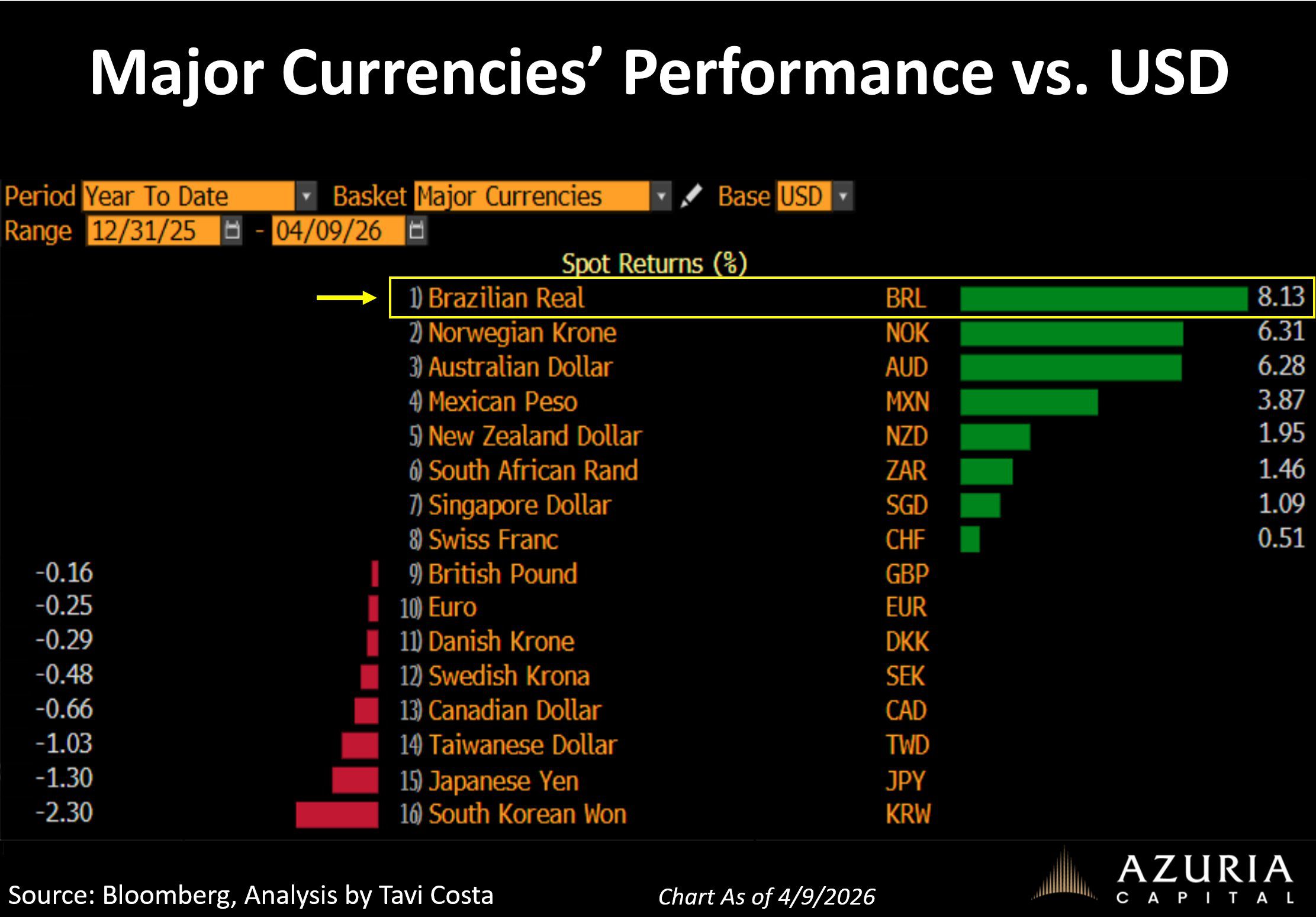
As an oil exporter far from the conflict zone, Brazil is surfing this wave. The Brazilian Real is the world’s top-performing major currency in 2026. Meanwhile, the US Dollar is heading toward the R$5 range, its lowest level in two years.
In the midst of the Iran war, the Ibovespa hit a historic high (closing at 197,325 points for the first time on 4/10/2026) and recorded its 16th record this year. The performance of the Brazilian Stock Exchange is bolstered by the continuous inflow of foreign capital, which sees the country as a “safe haven” among emerging markets. Petrobras – the index’s heaviest weight – has surged +59% in 2026, acting as the main protagonist of the rally.
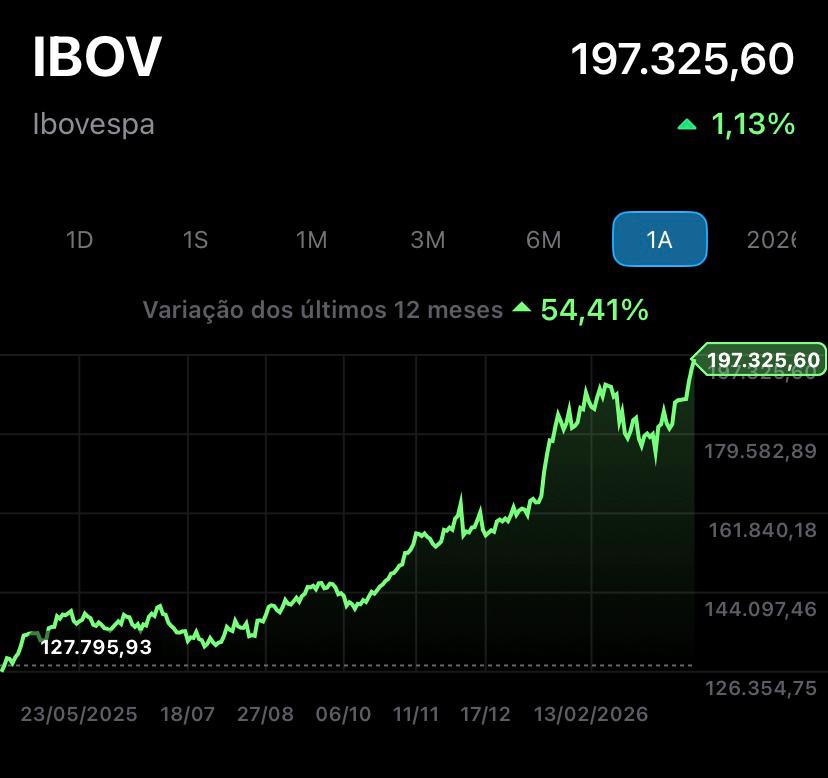 Market close on 4/10/2026: Ibovespa eyes the 200,000-point mark.
Additionally, Brazilian oil exports jumped 70% in March, securing a US$6.4 billion trade surplus for the month and signaling robust future financial inflows. This generates billions in extra revenue for the government, alleviating public accounts and reducing market concerns.
Amid global geopolitical tension, the country has also stood out in the FDI ranking (Foreign Direct Investment) — the productive capital allocated to new projects, factories and infrastructure that generates jobs, income and tax revenue. Evidence of this appeared in Valor today (4/10/2026): Brazil climbs 3 positions in the FDI ranking.
In summary: The petrodollar pact that sustained American hegemony for 50 years has been shaken and there is likely no turning back. Amidst such disruption, Brazil has pulled off the remarkable feat of surfing a massive wave, positioning itself to reap the rewards of the new multipolar world.